
11 days across Colombia's Central Andes.
The Andes unfold as layered landscapes shaped by elevation.
Vertical gradients create distinct ecosystems, each with its own community of birds, its own quality of light, its own rhythm of activity.
This experience moves through these transitions deliberately, allowing the territory to reveal itself over time.
We begin in Cali and ascend gradually through the Western Cordillera, crossing into the Central Andes and reaching the high páramo before returning through quieter elevations.
The route follows an elevational arc, from humid lower slopes through cloud forest to the treeline and beyond. Each zone holds endemic species found nowhere else on Earth.
We remain in territories, return to locations, and allow familiarity to develop with particular trees, specific feeders, and precise moments of light.
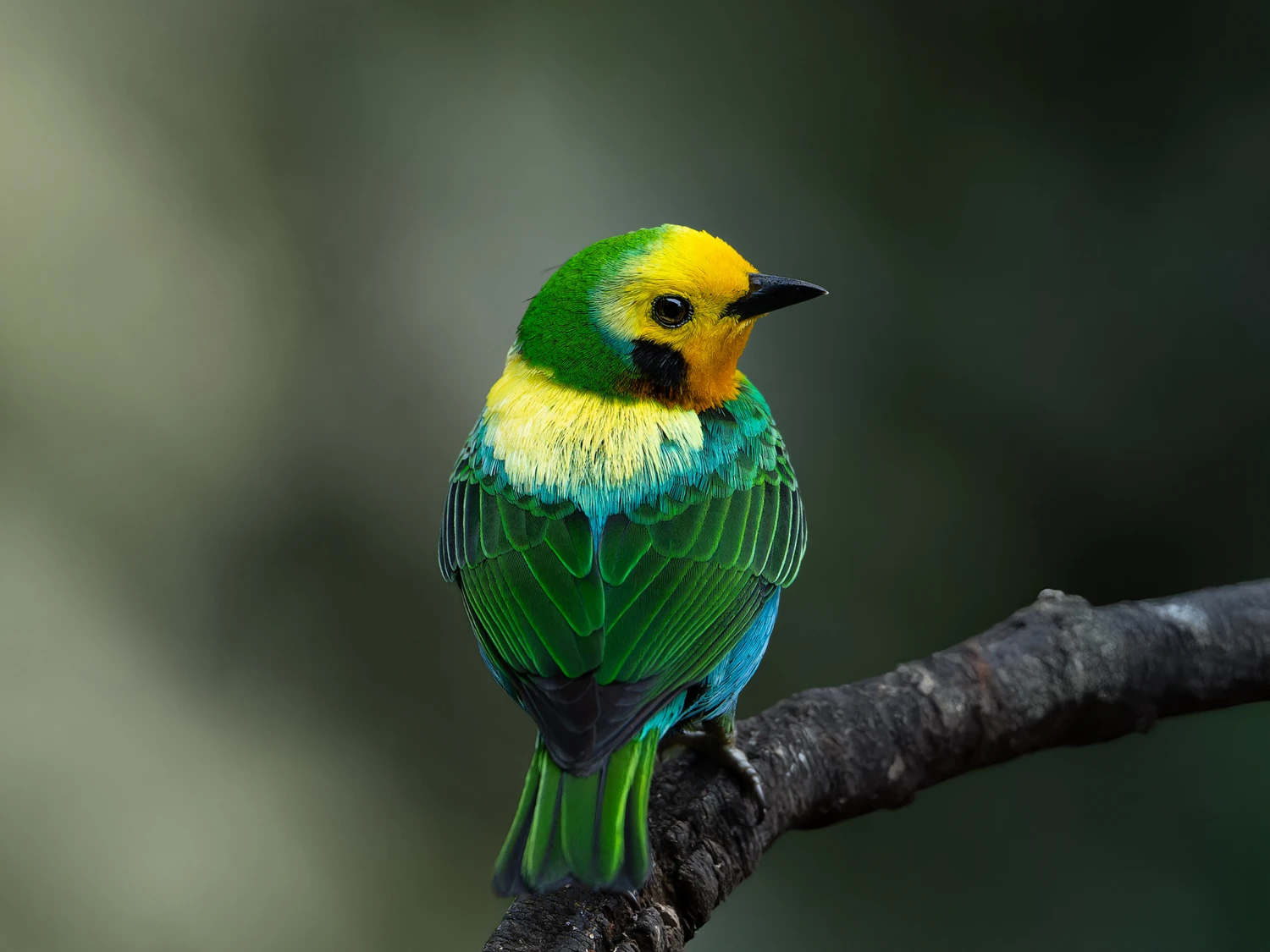
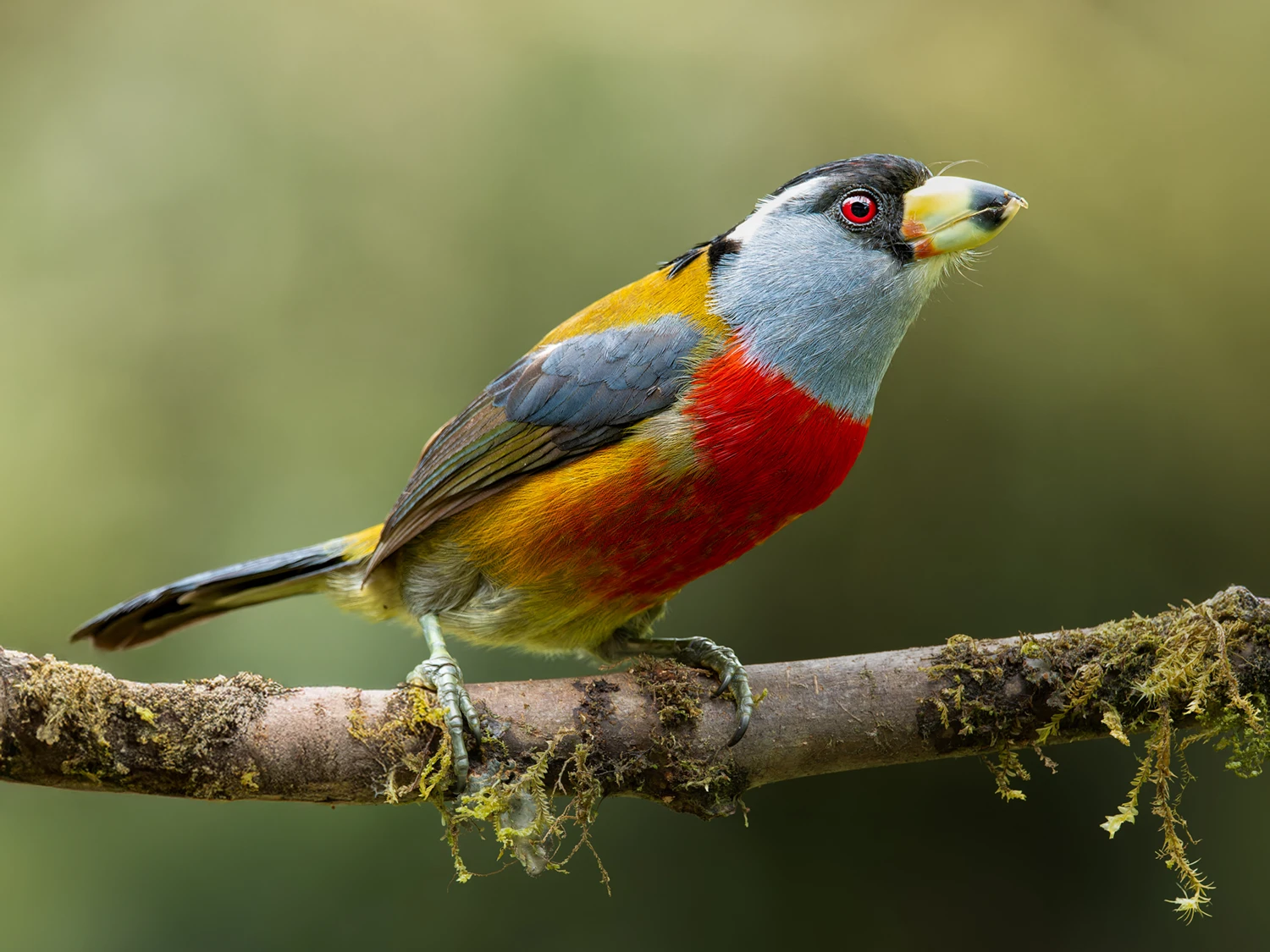
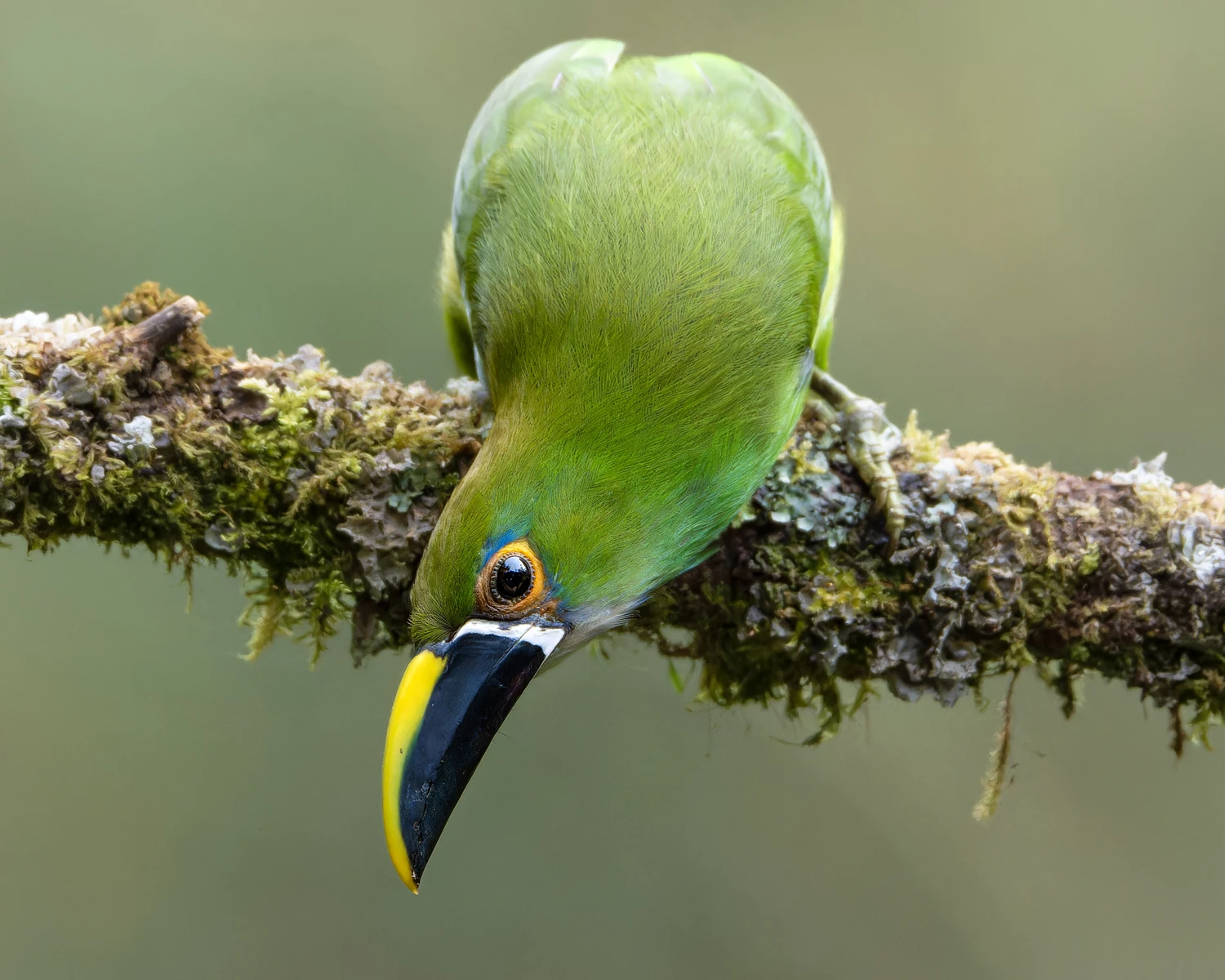
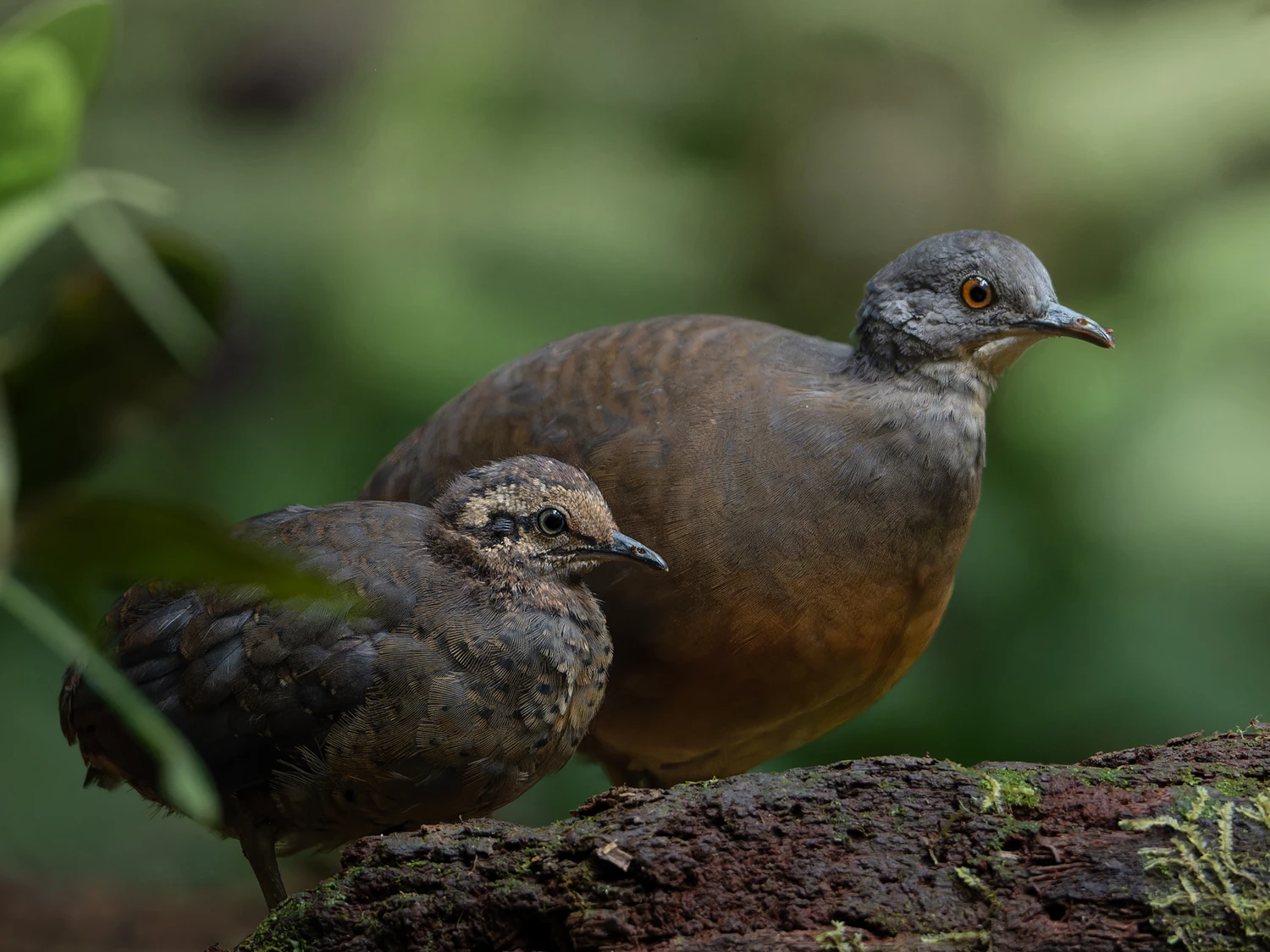
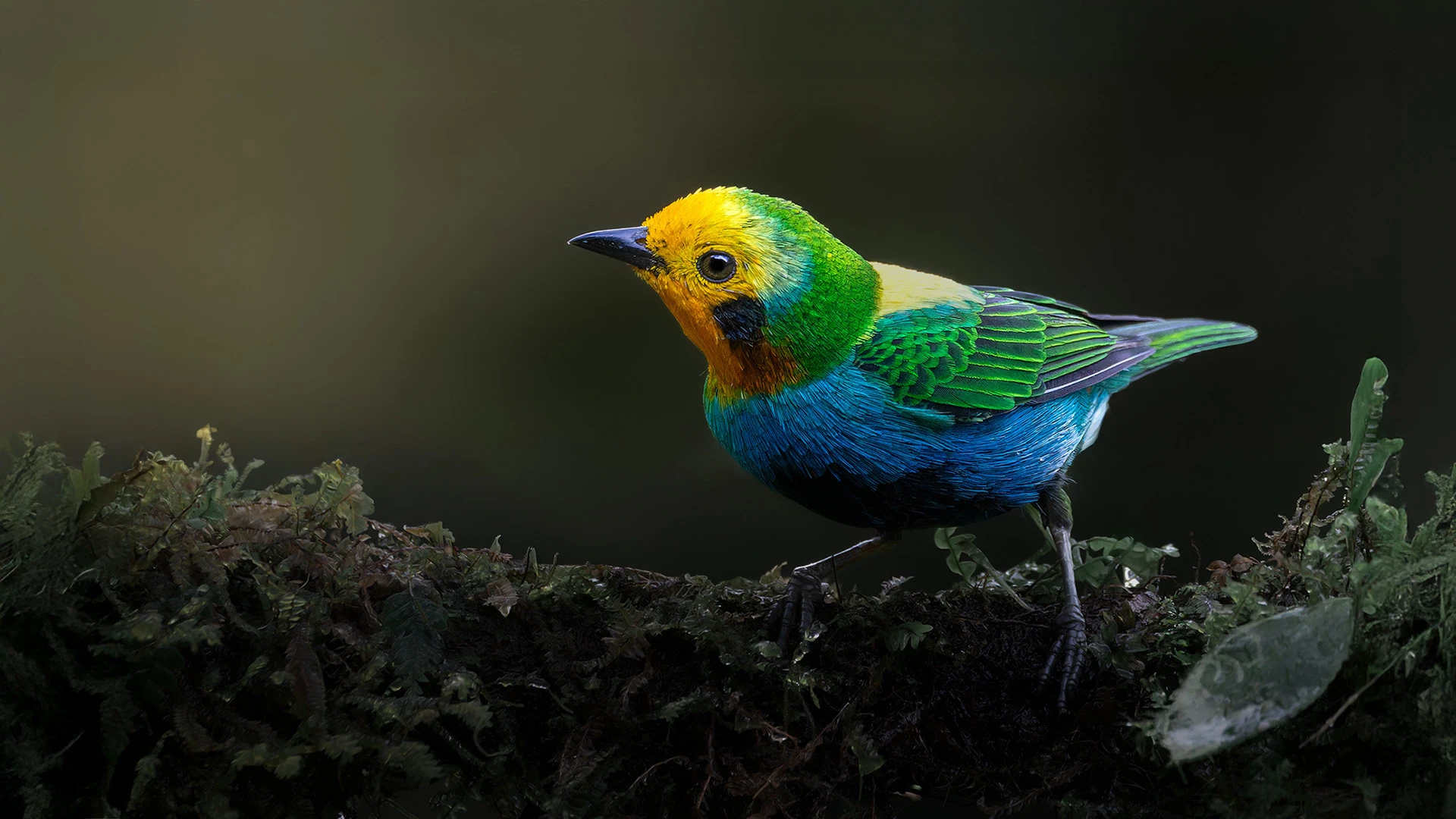
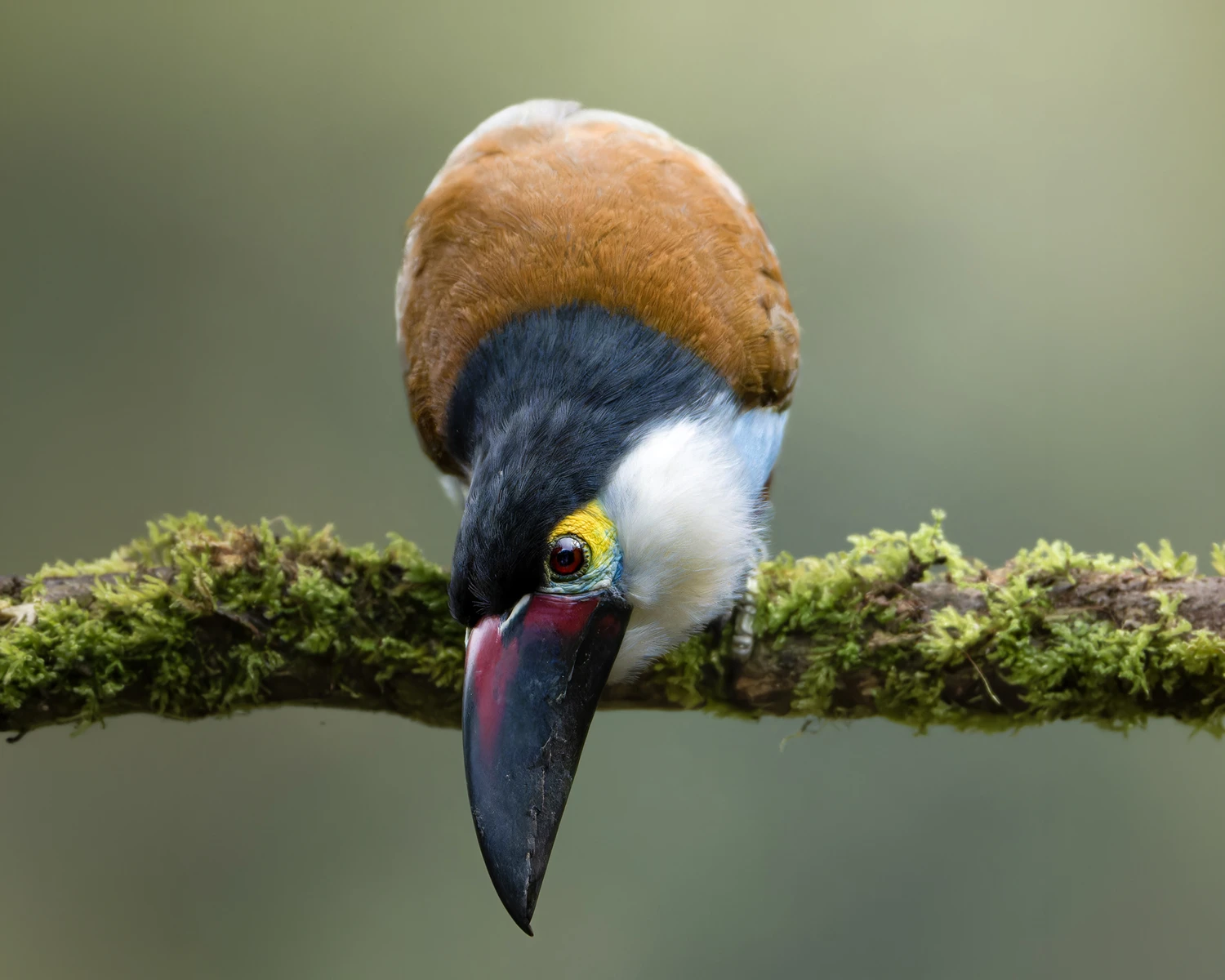
The journey begins in Cali and moves into the humid forests of the western slopes. At Doña Dora and La Florida Birding we encounter our first immersion in cloud forest atmosphere. Species that define this region appear here, including the Multicolored Tanager, Chestnut Wood-Quail, and Toucan Barbet, birds whose presence shapes the rhythm of early morning along the forest edge. Mornings are spent observing the rhythms of feeders and the transition between openings and canopy, following how light filters through upper branches and gradually understanding the pulse of this landscape.
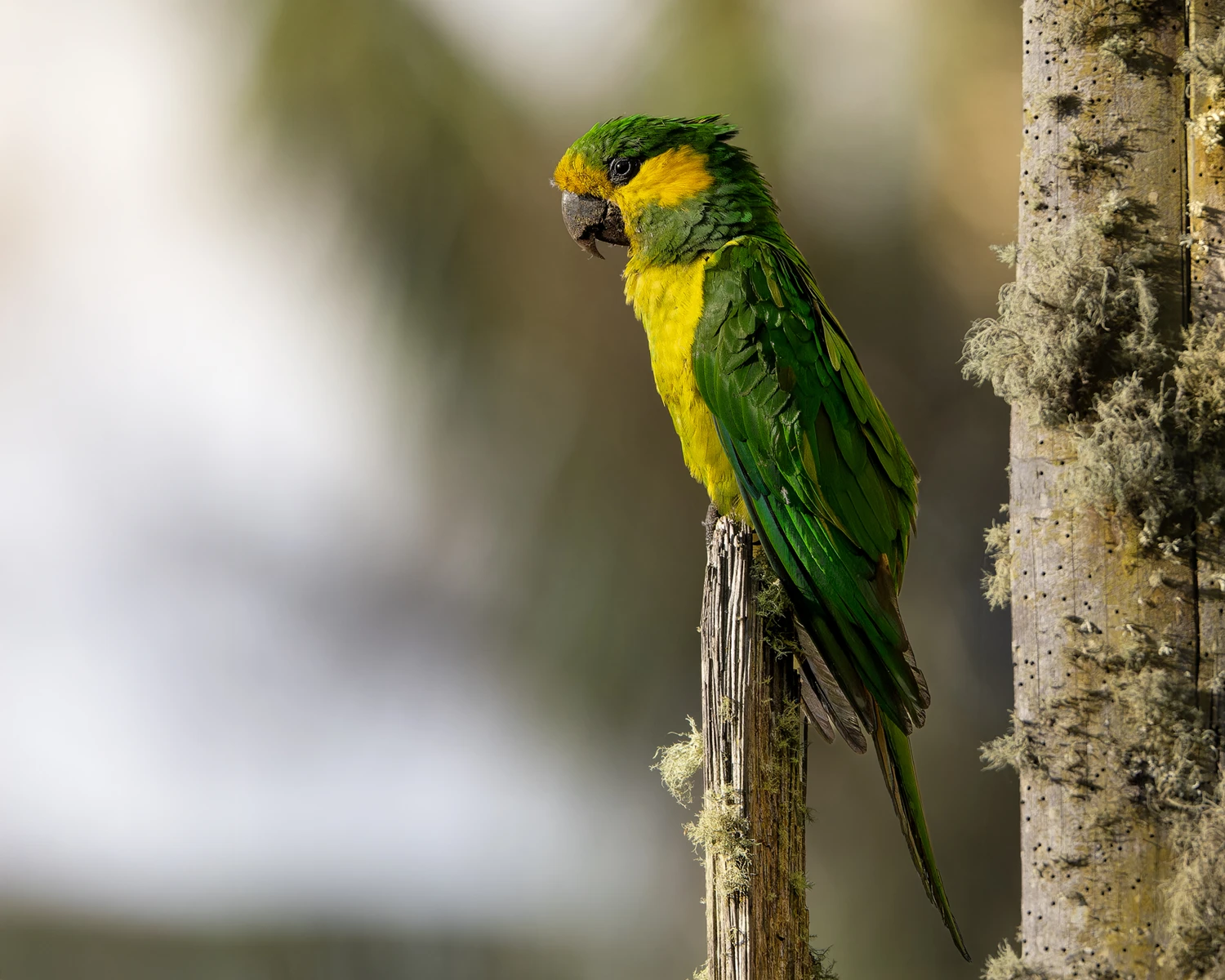
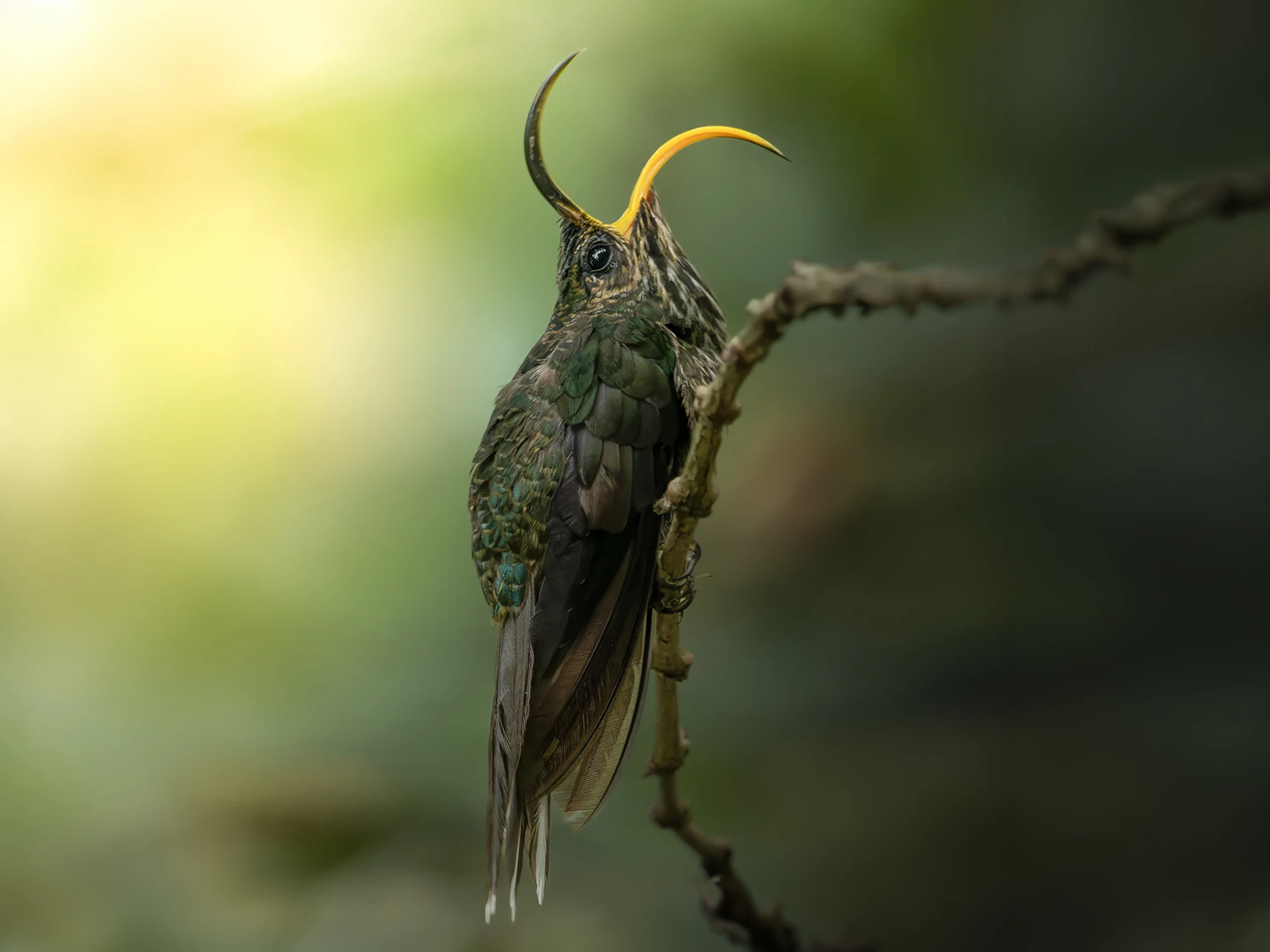
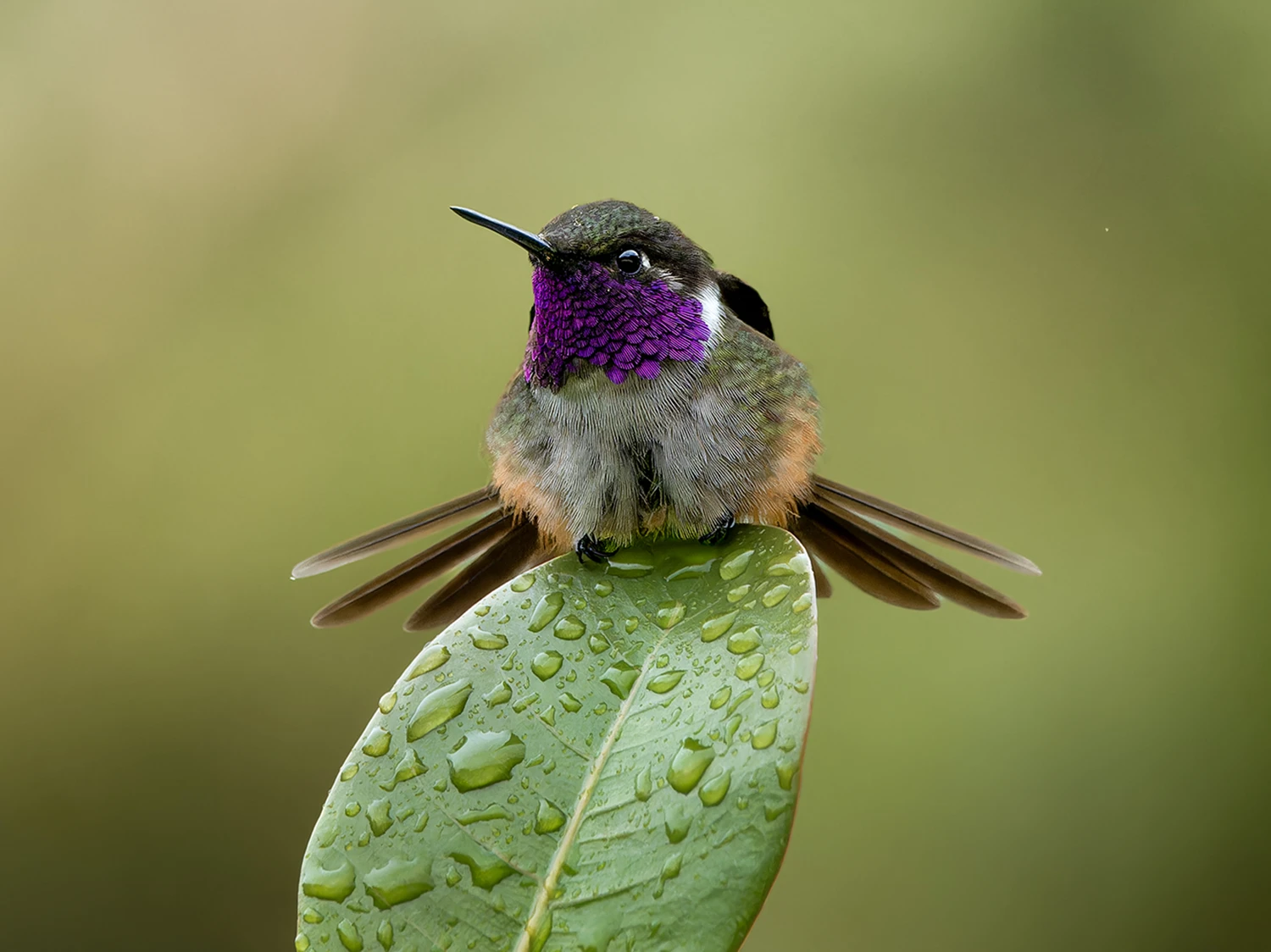
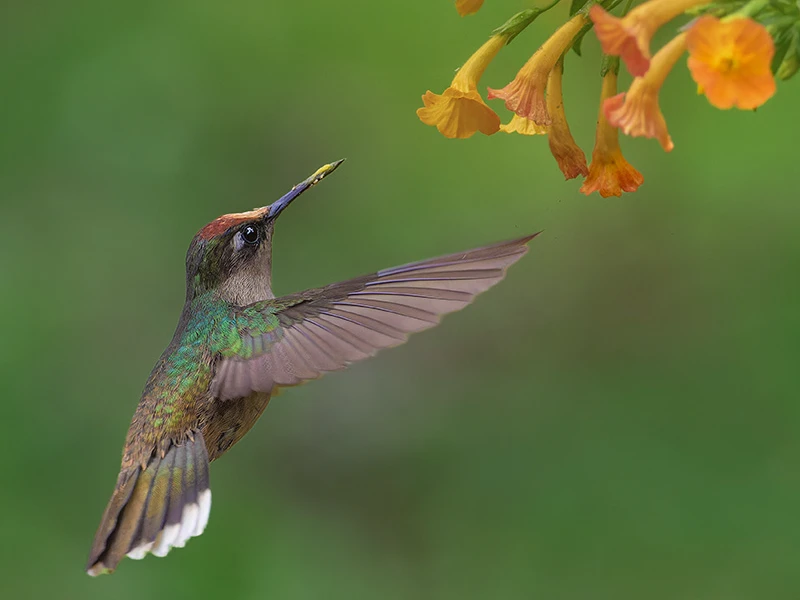
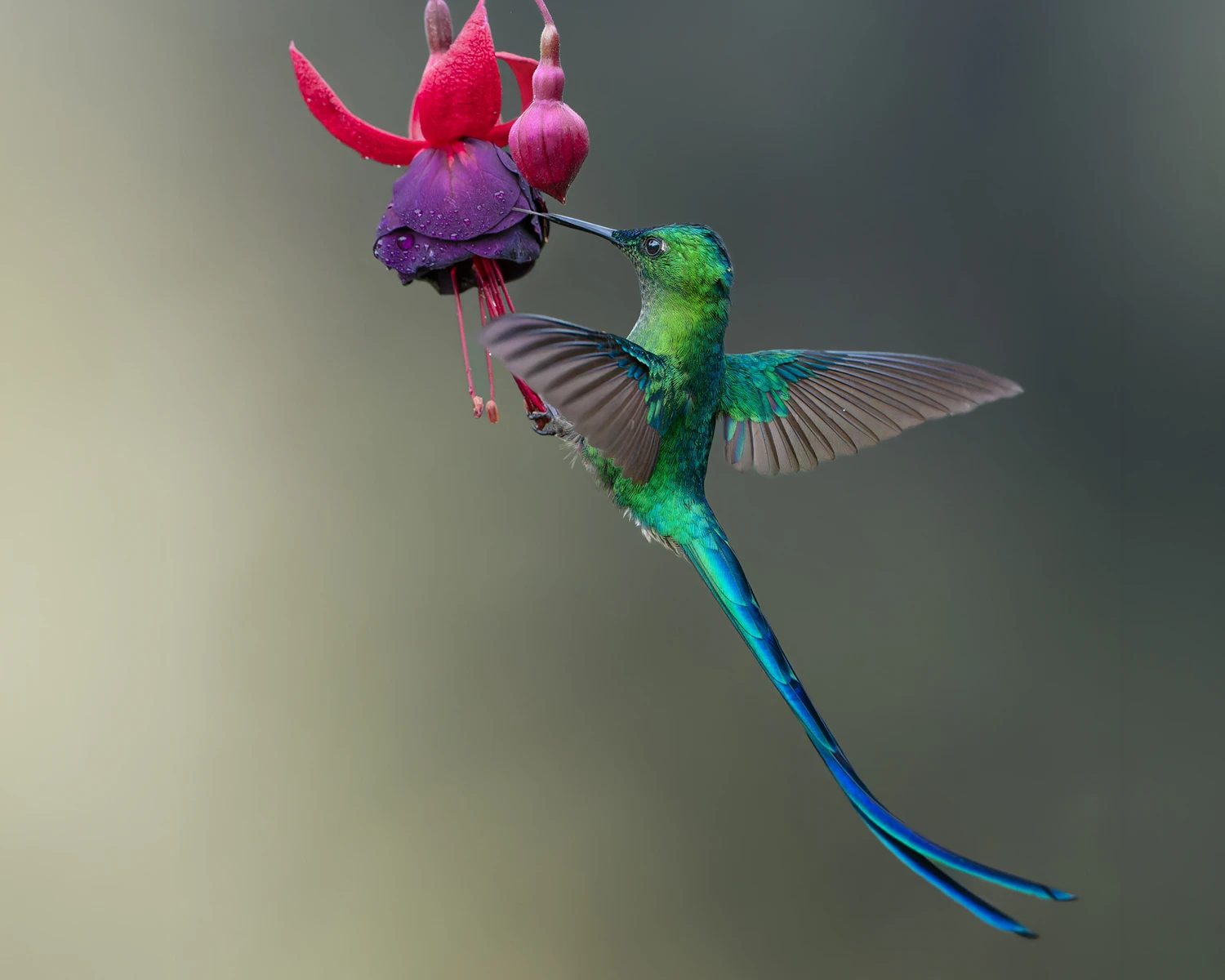
At El Retorno Birding the work centers on high Andean forest along the central slope. We remain for several days exploring trails and forest edges where the Tolima Blossomcrown, Tolima Dove, and a remarkable diversity of hummingbirds inhabit these elevations. From this territory we make outings toward higher forests in search of the Yellow-eared Parrot, an emblematic species of the Colombian Andes. Practice here requires careful canopy reading, anticipation of flight paths, and patience for encounters that unfold briefly.
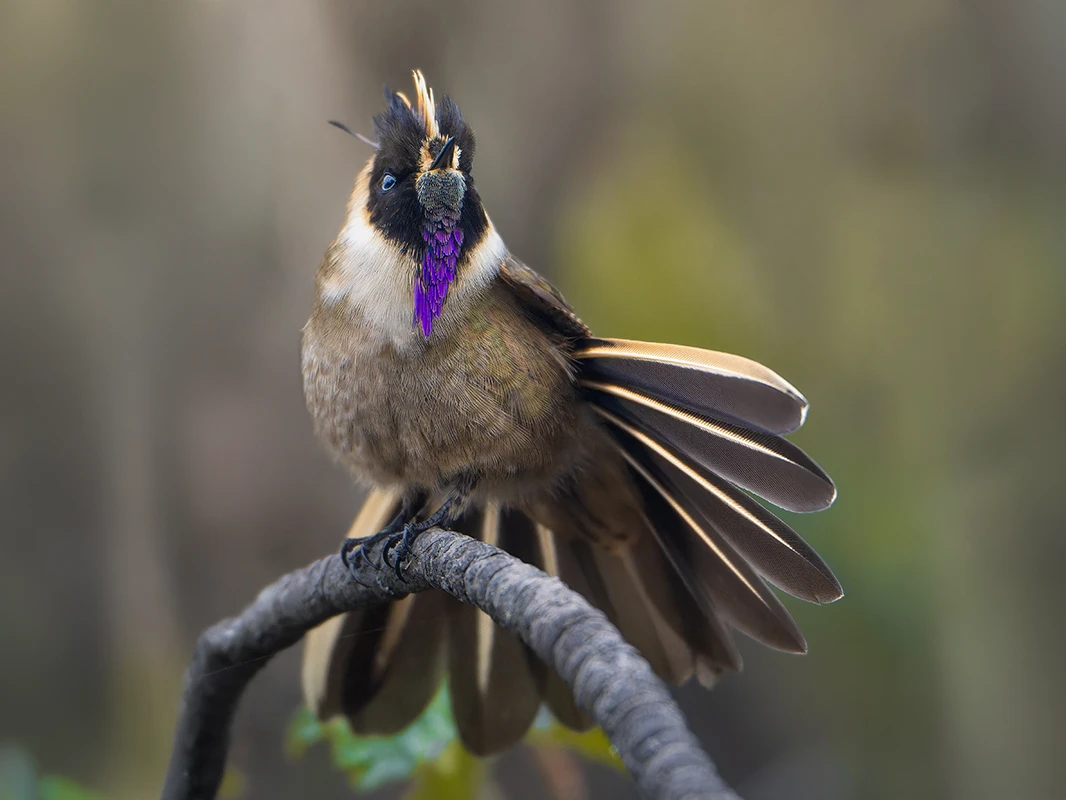
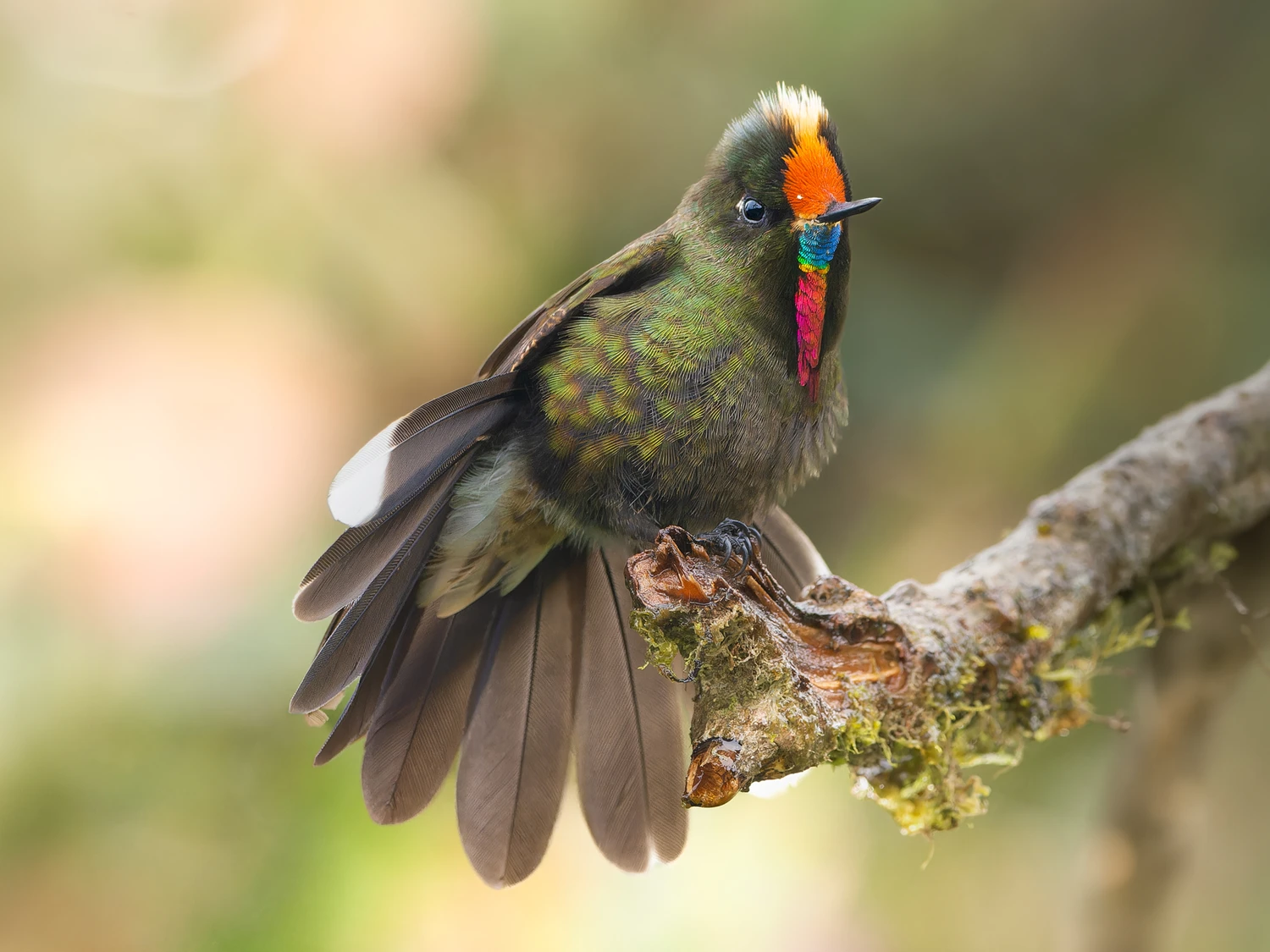
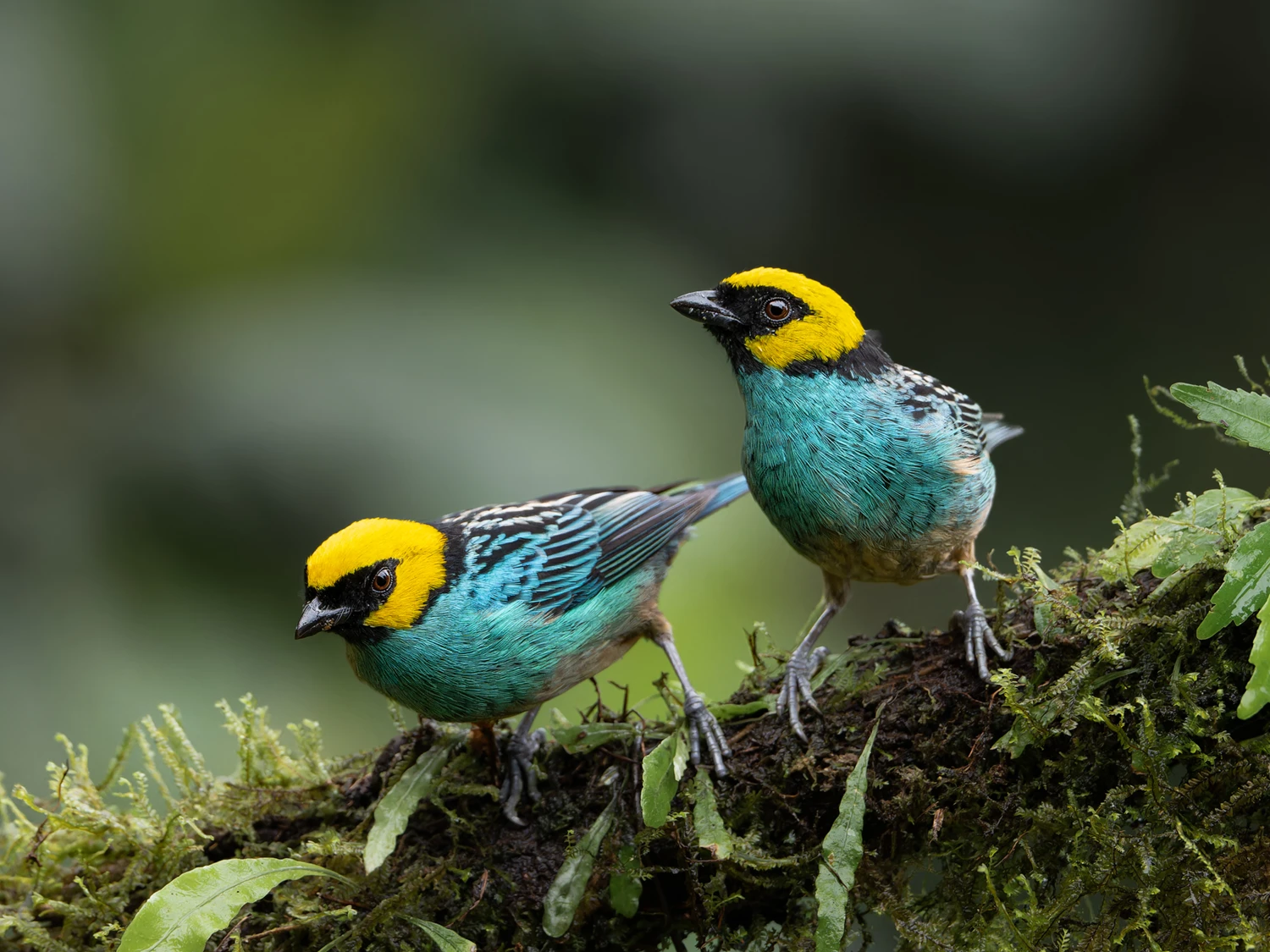
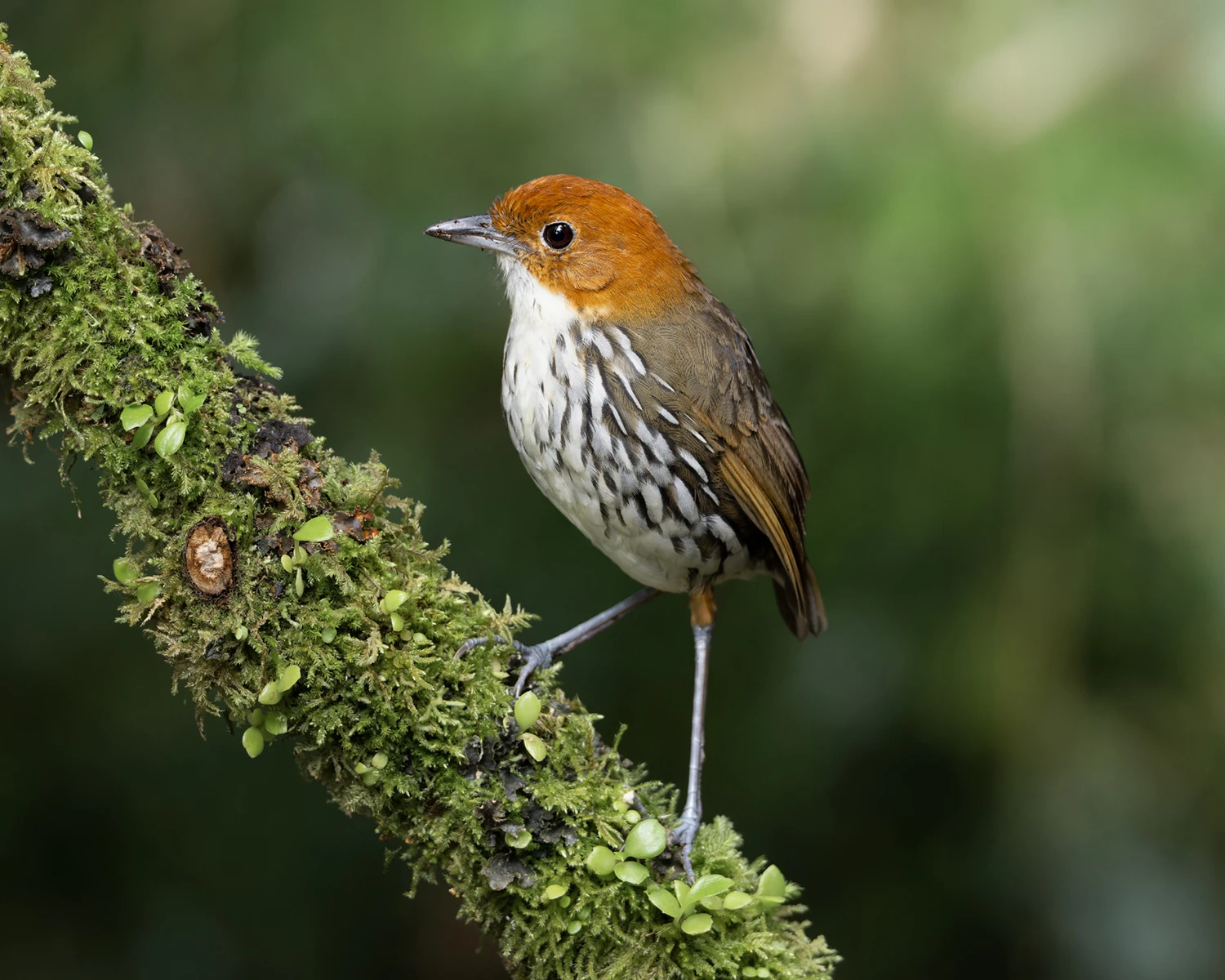
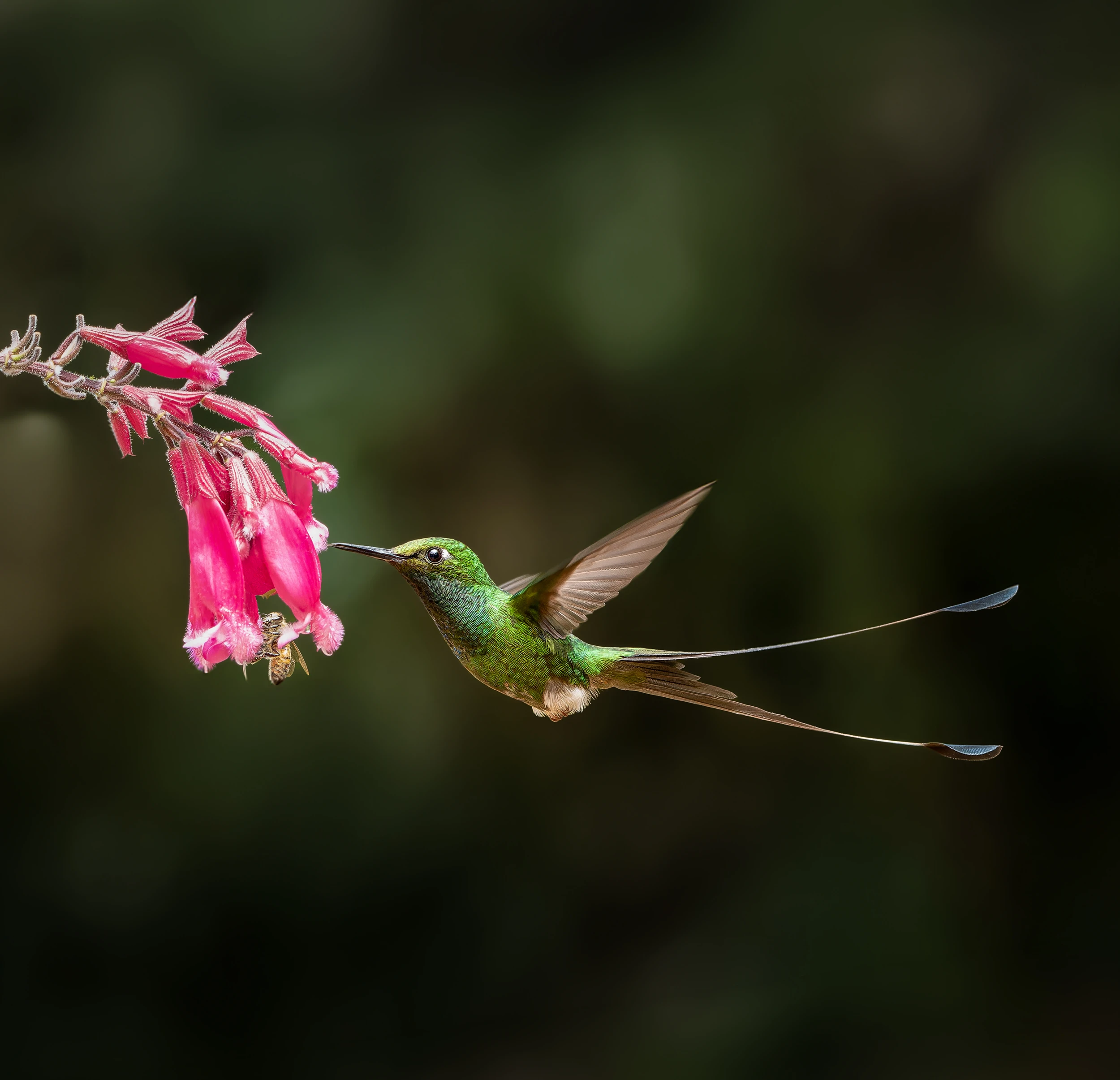
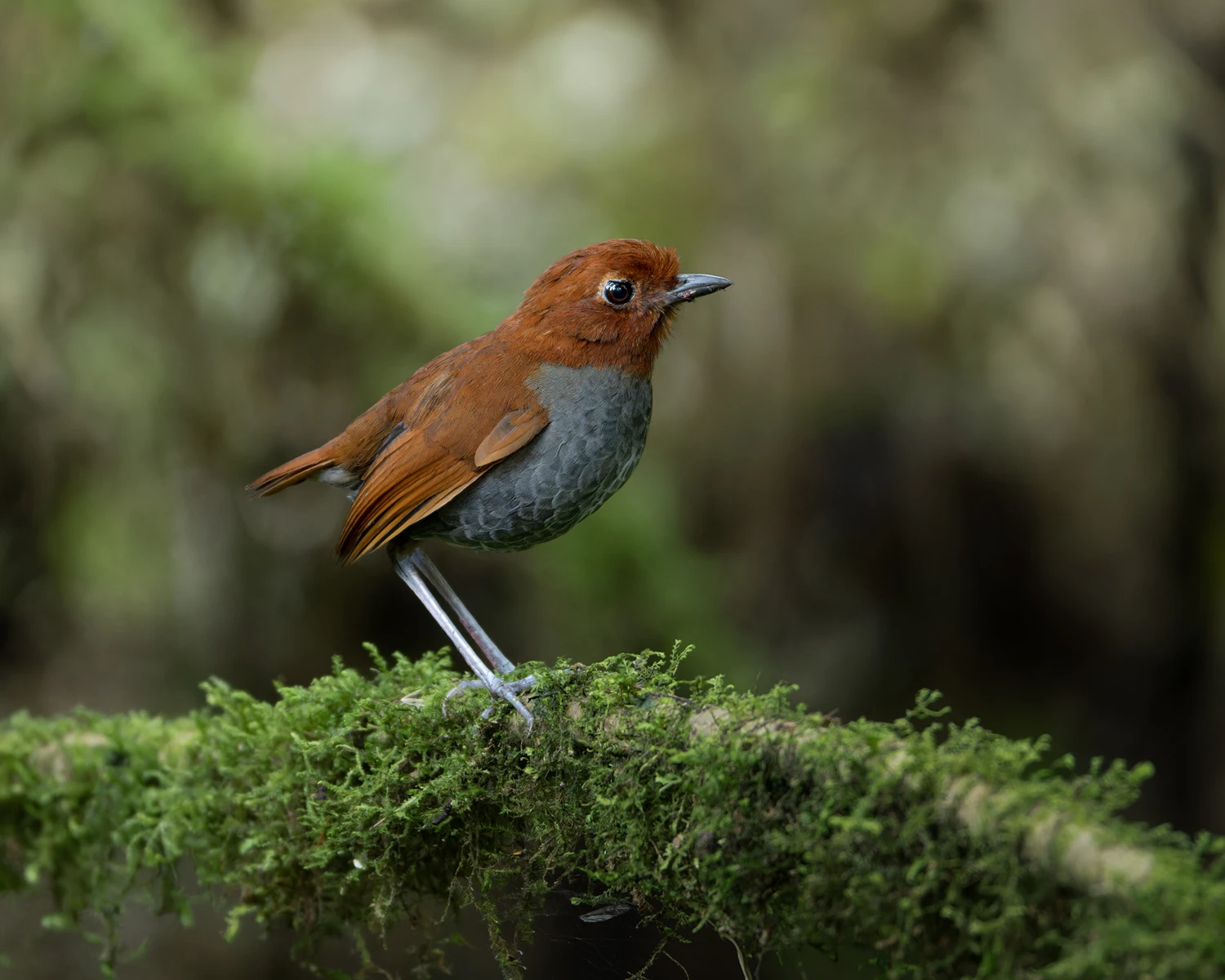
At Alto de la Línea we work within transitional ecosystems approaching páramo. Here attention turns toward the Rainbow-bearded Thornbill, a species restricted to these altitudes and visible only within specific bands of the landscape. Later, at Río Blanco, focus shifts to the understory where antpittas emerge from the shadows of montane forest. In the approaches to Los Nevados National Natural Park we enter open páramo territory. The Buffy Helmetcrest becomes a central focus. Photography changes at these heights: longer lenses, extended waiting, and precise reading of the intense midday light characteristic of the high Andes.
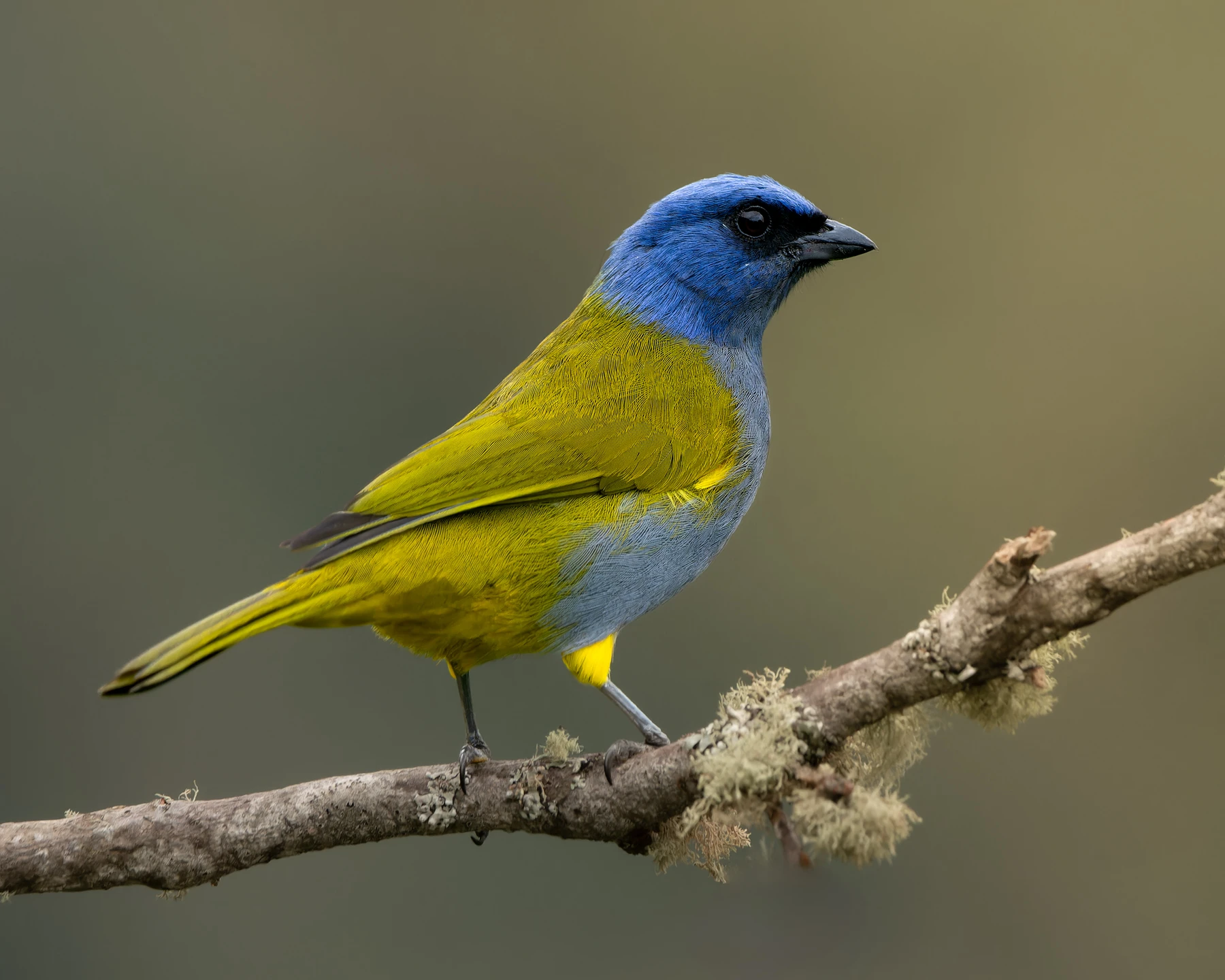
The experience concludes at El Color de mis Rêves, a place of quiet mornings and reflective practice. Here we revisit techniques, synthesize what the journey has revealed, and allow the rhythm to settle before departure. Final review sessions bring the eleven days into a broader understanding of the territory we have moved through.
Review sessions are woven throughout the experience and form a continuous part of the process. After fieldwork, we gather to examine images together, discussing decisions about composition, timing, and light.
Guided editing happens in the context of your own photographs. We work through selections, explore processing approaches, and build technical understanding through direct application.
The balance between field time and review adapts to daily conditions. When bird activity is high, we stay out. When weather shifts, we turn to the images. The process remains responsive.
Photographers who seek depth over breadth. Those who are willing to return to the same location multiple times, to wait, to let understanding accumulate through repetition.
Observers who value process as much as outcome. Participants who find meaning both in the practice itself and in the final image.
People comfortable with patience. Early mornings, varied terrain, and the willingness to let encounters unfold on their own terms.
If this way of working in the Andes resonates with you, we can continue the conversation.
Request Information